A good bourbon Old Fashioned lets the whiskey lead, with enough sweetness, bitters, and dilution to make the whole drink feel considered. Here’s how to get there without turning your kitchen into a cocktail laboratory.
An Old Fashioned is a useful reminder that a short ingredient list leaves very little room to hide. Too much syrup and you have bourbon-flavored candy. Too little dilution and the drink can feel like a pour of whiskey wearing cologne.
The good news is that getting it right does not require an allocated bottle, a $70 mixing glass, or a smoke-filled wooden box. Start with bourbon you enjoy, measure the sweetener, and stir until the drink tastes ready.
For a practical starting point, combine 2 ounces of bourbon, 1 teaspoon of equal-parts simple syrup, and 2 dashes of aromatic bitters. Stir with ice, finish with orange peel, and adjust from there. It is a starting recipe, not a loyalty oath.
The bourbon Old Fashioned recipe
Makes 1 cocktail. Allow about 5 minutes with prepared syrup.
Ingredients
- 2 oz bourbon (60 ml)
- 1 tsp simple syrup (5 ml), made with equal parts white sugar and water by weight
- 2 dashes aromatic bitters, such as Angostura
- Ice for stirring and serving
- 1 strip of orange peel
Method
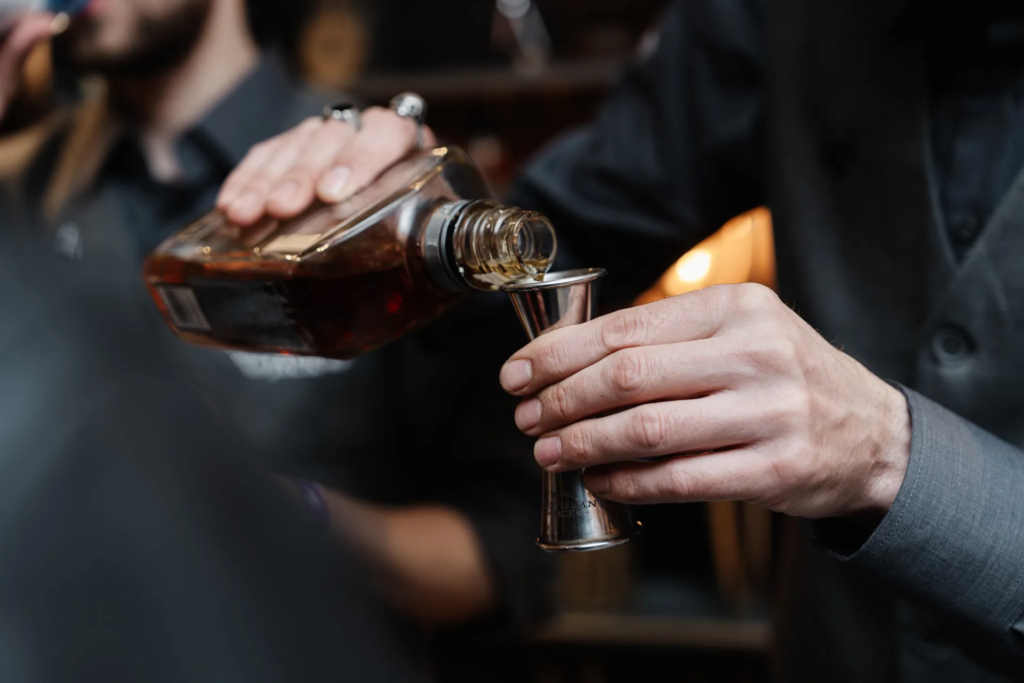
- Measure the bourbon, syrup, and bitters into a mixing glass or sturdy measuring jug.
- Add plenty of ice. Stir for about 20–30 seconds as an initial guide, then taste a small sample with a clean spoon. Ice size, temperature, and stirring speed change how quickly the drink chills and dilutes.
- If it still tastes hot and disjointed, stir a little longer and taste again. If it needs sweetness, add syrup in ¼-teaspoon increments. Aim for a chilled drink in which the whiskey remains distinct and the sweetener feels integrated.
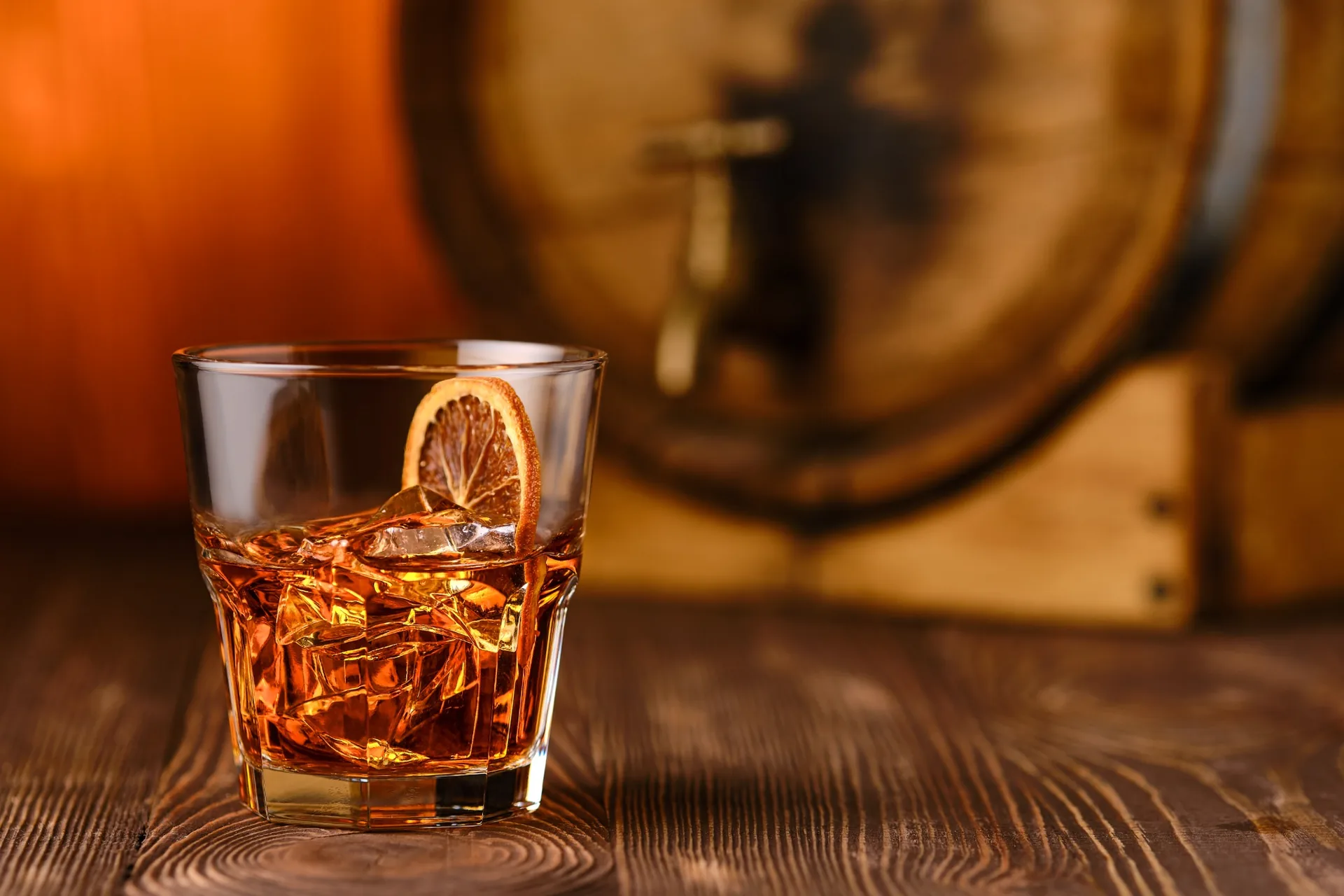
- Strain into a rocks glass over one large cube or several ordinary cubes.
- Hold the orange peel over the glass with its colored side facing the drink. Gently bend it to release its oils over the surface, then place it in the glass or discard it after expressing.
No mixing glass or strainer? Build it directly in a sturdy rocks glass, add ice, and stir gently. Taste as you go. You lose some control over the serving ice, but you still get an Old Fashioned.
Our recipe uses a modest amount of syrup so you can add more if needed. If you prefer a sweeter drink, you may end up closer to 2 teaspoons. Measure the adjustment instead of pouring until your conscience intervenes.
Choose a bourbon you want to taste
The bourbon is most of this drink. Pick one whose flavor you like, rather than treating the cocktail as a disposal service for a bottle you regret buying.
A reasonably priced, readily available bourbon is the sensible place to begin. Vanilla, caramel, baking spice, fruit, and oak can all work here. Which combination works best depends on what you want from the finished drink.
For a rounder, gentler drink
Look for a bourbon you find approachable, with vanilla or caramel notes and restrained spice. A wheated bourbon can be one direction to explore, but wheat is not a guarantee of sweetness or low alcohol heat. Proof, maturation, and the particular whiskey still matter.
Choose this direction if you want the bourbon to sit comfortably with the sugar and orange. If the result feels too soft, try less syrup before deciding you need a different bottle.
For more spice and structure
Choose a bourbon with a firmer oak or baking-spice profile. That can provide a useful contrast to the sweetener, especially if gentler versions taste a little flat to you.
Do not assume that a high-rye mash bill tells you exactly how the finished drink will taste. Use it as a clue, then judge the whiskey in the glass.
For a drink that stands up to ice
Around 90–100 proof is a useful range to explore if you want the bourbon to remain noticeable as the ice melts. That is a practical suggestion, not a minimum requirement. An 80-proof bourbon can make a perfectly enjoyable Old Fashioned; a much stronger one may need more dilution than you expect.
Higher proof does not automatically make a better cocktail. If the drink tastes aggressive, adding more syrup may only make it aggressive and sweet. Try more stirring first.
If you are still finding your preferences, start with our guide to choosing your first bourbon. You do not need a separate collection of “cocktail bottles” to make this recipe.
Syrup or a sugar cube?
Both belong in the conversation. The International Bartenders Association’s Old Fashioned uses a sugar cube dissolved with bitters and a little water. Our starting recipe uses syrup because it is easier to measure and incorporates without leaving sugar at the bottom.
To make the syrup, dissolve equal weights of white sugar and warm water, let it cool, and refrigerate it in a clean, closed container. Make a small amount rather than a lifetime supply.
The concentration matters. A rich syrup made with two parts sugar to one part water is more concentrated than the 1:1 syrup specified here. Do not substitute it measure for measure and expect the same sweetness.
Demerara syrup is another option if you want a darker sugar character. White sugar is a good baseline when you want to understand what the bourbon and bitters contribute. Neither requires a boutique bottle with a wax seal.
If you enjoy the sugar-cube ritual, use it. Dissolve the sugar thoroughly before adding the whiskey and ice. Crunchy sediment is a preparation issue, not evidence of authenticity.
Bitters should season the drink
Start with ordinary aromatic bitters. Two dashes give you a useful reference point, but dash sizes vary with the bottle and how you pour. You are seasoning a drink, not calibrating a medical device.
If the result seems sweet and shapeless, another dash may help. If it tastes medicinal or the bitters dominate the whiskey, use less next time. More bitters will not rescue a drink that simply needs less syrup.
Orange bitters can be an interesting addition once you know the baseline. Buying six varieties before making your first drink mostly gives you six new variables.
Ice is an ingredient with a schedule
Ice chills the cocktail and adds water as it melts. That dilution is part of the recipe. A drink can be cold and still need a little more water to bring its flavors together.
Use plenty of ice for mixing. Stir, taste, and adjust rather than treating a particular number of turns as a guarantee. Starting temperatures and ice conditions differ from kitchen to kitchen.
For serving, one large cube generally melts more slowly than the same mass of ice broken into small pieces under comparable conditions. It gives a slow sipper more time before the drink changes substantially. Ordinary freezer cubes still work; expect the balance to shift as you drink.
Clear ice looks attractive. It does not repair a poorly balanced cocktail. If buying a clear-ice system would delay making the drink, use the tray you already own. Our ice molds guide explains the tradeoffs if you later decide the upgrade suits your routine.
The orange peel earns its place
The peel provides aroma without turning the drink into an orange-juice cocktail. A gentle squeeze over the surface is enough. Try to take a strip with relatively little white pith, and avoid wringing it into the glass like a wet towel.
A cocktail cherry is optional. Add one if you enjoy it, but you do not need to buy an expensive jar to complete a basic Old Fashioned.
Muddled orange and cherry versions have their own fans and traditions. They are not the target of this recipe. Start without muddled fruit so you can understand the simpler drink, then decide whether you want to take it elsewhere.
Fix the drink before replacing the bottle
Change one thing at a time. Otherwise, you will know only that the second drink was different.
| If it tastes… | Try this first | Next time |
|---|---|---|
| Too sweet | Add a small measured amount of bourbon, then taste | Start with less syrup; check its concentration |
| Hot or harsh | Stir longer with ice and taste again | Try a lower-proof bourbon or allow more mixing dilution |
| Thin or watery | Extra syrup will not restore lost concentration | Shorten mixing if you overdid it; reconsider serving ice or bourbon proof |
| Bitter or medicinal | A little more bourbon can reduce the bitters’ proportion | Use fewer dashes; keep the starting recipe simple |
| Flat or sugary | Try one more dash of bitters or a fresh orange peel | Reassess sweetness before adding ingredients |
| Too woody | More sugar may hide some edges without making it enjoyable | Choose a less oak-heavy bourbon |
Corrections have limits. You do not need to keep adding bourbon to rescue a disappointing glass. Use what you learned to make a smaller, better-adjusted pour next time.
Your bar does not need a shopping spree
A sturdy glass, an accurate measure, and a spoon are enough to begin. A small measuring jug can handle mixing. A teaspoon measures syrup. A vegetable peeler can supply the garnish.
A dedicated mixing glass and strainer make the process tidier. A comfortable rocks glass makes the finished drink pleasant to hold. Those are useful conveniences when you make the cocktail regularly, not admission requirements. Our bourbon glassware guide can help if your existing glasses are awkward or unsuitable.
Premade Old Fashioned mixers can be convenient. The compromise is that someone else has already chosen the sweetness and seasoning. Check what the mixer contains and follow its directions rather than adding it on top of the full syrup-and-bitters recipe.
As for smoking kits, start by finding out whether you enjoy the drink without one. Smoke is an optional flavor, not a repair service for an Old Fashioned that tastes mostly of sugar. The cocktail can survive arriving without a theatrical entrance.
And save the trophy bottle for a moment when you actually want to taste it. You are welcome to mix expensive bourbon, but price and scarcity do not guarantee a better result here.
Frequently asked questions
What is the best bourbon for an Old Fashioned?
Choose an available bourbon you enjoy, with a flavor profile that suits the drink you want. Rounder vanilla and caramel notes make one starting point; firmer oak and spice make another. Around 90–100 proof is worth exploring for presence over ice, but it is not a rule. There is no universal winning bottle.
Can I use rye instead of bourbon?
Yes. The IBA recipe allows either. Rye can take the drink in a different direction, often with a more pronounced spicy or herbal character, though individual whiskeys vary. Keep the rest of the recipe steady so you can notice the change.
Should I stir or shake an Old Fashioned?
Stir this recipe. Shaking introduces aeration and changes its texture and appearance. Stirring gives you a straightforward way to chill, dilute, and taste a drink whose main ingredients already combine readily.
Does an Old Fashioned need a sugar cube?
No. A cube is traditional, while simple syrup offers easier incorporation and measurement. Specify the syrup concentration and adjust the quantity to your taste. Neither method gets extra points for making you work harder.
Do I need clear ice or a large cube?
No. Both can improve presentation, and a large cube can help the drink change more slowly. Ordinary cubes are a sound starting point. Pay attention to the drink as it dilutes rather than assuming expensive ice equipment is essential.
Do I need to muddle fruit?
Not for this version. Expressing orange peel gives the drink citrus aroma without adding fruit pulp or juice. If you prefer a muddled-fruit variation, make one deliberately rather than assuming every Old Fashioned requires it.
Why does mine taste different from the one at a bar?
The bourbon, proof, sweetener concentration, bitters, dilution, and garnish may all differ. Ask what you liked about that drink: its sweetness, spice, texture, or aroma. That gives you something specific to adjust at home instead of buying a random bottle and hoping for the best.
Make the next one to your taste
Start with the measured recipe. Taste before serving. If you change something, remember what you changed.
Once you have the balance where you like it, you have a repeatable drink and a reason to keep those few ingredients around. That is a much better home-bar investment than a shelf full of equipment waiting for a personality.
The bar down the street can keep its reservation system. You have the recipe.