Bourbon, lemon, and sugar can make a very good drink. The trick is keeping all three in the conversation. Start with this whiskey sour recipe, then adjust the balance without buying a different bottle every time.
If the only evidence of bourbon in your whiskey sour is the receipt, something has gone wrong.
A sour should be refreshing. It should have sweetness. It should also taste as though someone deliberately chose whiskey as the base. When lemon and sugar drown out everything else, buying a more expensive bourbon mostly makes the problem more expensive.
The answer is usually a better balance, not a better label. Measure the ingredients, use fresh lemon juice, and give yourself permission to make a small adjustment. You are making a drink for your palate, not defending a thesis on cocktail ratios.
Our starting point is 2 ounces of bourbon, ¾ ounce of fresh lemon juice, and ½ ounce of simple syrup. Shake with ice and strain. Egg white is optional; get the flavor right before worrying about the foam.
Start here with a bourbon whiskey sour
Makes 1 cocktail. Allow about 5 minutes with prepared syrup.
Ingredients
- 2 oz bourbon (60 ml)
- ¾ oz freshly squeezed lemon juice (22.5 ml)
- ½ oz simple syrup (15 ml), made with equal weights of white sugar and water
- Ice for shaking, plus fresh ice if serving on the rocks
- A small lemon twist or cocktail cherry, optional
Method
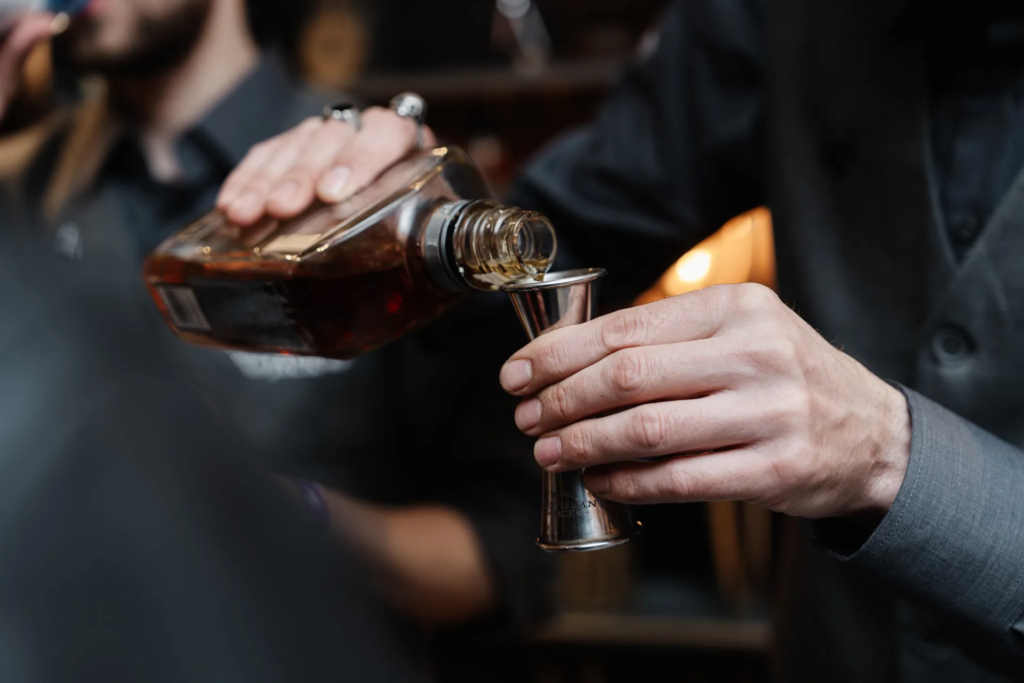
- Measure the bourbon, lemon juice, and syrup into a cocktail shaker.
- Add plenty of ice, close the shaker securely, and shake vigorously for about 10–15 seconds as an initial guide. The mixture should be thoroughly chilled. The exact time depends on your ice and technique.
- Strain a small sample into a clean spoon and taste. If it is uncomfortably sharp, add 1 teaspoon of syrup, shake briefly, and taste again. If it seems too sweet, a small addition of lemon juice may help. Change one thing at a time.
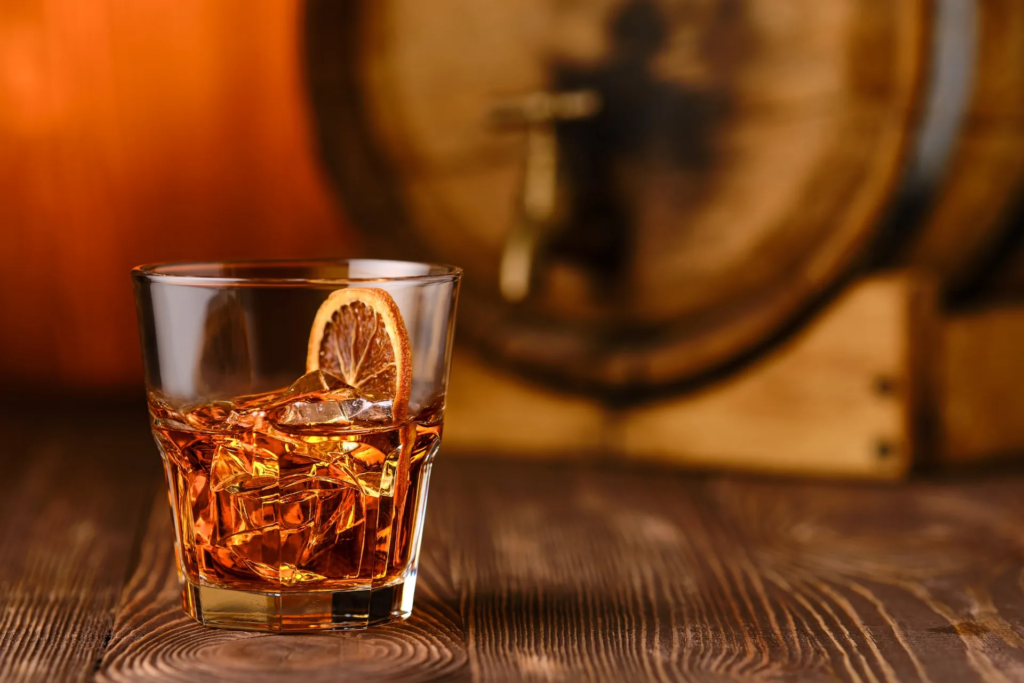
- Strain into a rocks glass over fresh ice, or into a chilled coupe without ice. If you prefer a cleaner texture, strain through a fine-mesh sieve as you pour.
- Add a modest garnish if you want one, and serve promptly.
This starts on the tart side. If you prefer a rounder drink, the syrup may end up closer to ¾ ounce. That does not mean you failed the recipe. Lemons, bourbons, and people are not identical.
Do not add egg white to this method without reading the variation below. It needs a little extra preparation and a deliberate ingredient choice.
Sour is a balance, not a dare
The name describes a family of drinks built around spirit, citrus, and sweetness. It is not an instruction to see how much lemon a person can withstand.
A satisfying whiskey sour has enough acidity to feel lively and enough sugar to soften its edges, while the bourbon still contributes flavor. If the first sip is nothing but a wince, the drink is not automatically sophisticated. If it tastes like the lemonade stand has acquired a liquor license, it may need a different balance.
Recipes differ because there is more than one enjoyable place to land. The International Bartenders Association specifies bourbon, fresh lemon juice, sugar syrup, and optional egg white, in proportions different from our starting recipe. That is useful context, not a reason to ignore what is happening in your own glass.
Judge the finished drink by three questions: Can you taste the bourbon? Is the lemon refreshing rather than punishing? Does the sweetness pull things together without taking over?
You do not need to identify every flavor. You just need to know which part is crowding out the others.
The lemon deserves more attention than the label
Fresh lemon juice is the sensible starting point here because citrus plays such a large role. Wash the lemon, squeeze it, and strain out the seeds. You do not need a countertop juicer with an industrial motor to make one drink.
Lemons vary. A measured ¾ ounce from one batch can produce a different impression from the same volume of another. That is why tasting and adjusting belong in the method rather than being treated as emergency repairs.
Bottled lemon juice can be convenient, but products differ in flavor and formulation. If it makes the drink seem dull or oddly harsh, reconsider the juice before blaming the bourbon. Use the same juice consistently while learning the recipe so you have one fewer moving part.
Lemonade and sweet-and-sour mix are not direct substitutes for the lemon juice in this recipe. They may already contain sugar, water, or other ingredients. Pouring them into a recipe that also includes its full syrup allowance can leave you correcting a sweetness problem you created twice.
A premade mixer can still be a deliberate convenience choice. Follow its own proportions, then decide whether you like the result. It is a different starting system.
Know which syrup you are pouring
For the recipe above, dissolve equal weights of white sugar and warm water. Let the syrup cool before mixing, and refrigerate it in a clean, closed container.
That is 1:1 simple syrup. A richer 2:1 syrup contains more sugar for a given volume and should not be swapped in at the same quantity without adjustment. “Half an ounce of syrup” means little if one person is pouring something substantially more concentrated.
Start with plain white sugar while learning the balance. Honey, maple, and darker sugars can be enjoyable, but they bring their own flavor and may require different quantities. A whiskey sour does not need a special syrup purchase to justify its existence.
If a drink seems too sharp, test a small syrup adjustment before adding more water. Water lowers the concentration of everything; it does not replace the sweetness that may be missing.
Give the bourbon something to do
Choose an accessible bourbon whose character you enjoy. This cocktail gives the whiskey a strong supporting cast, so subtle differences may be less noticeable than they are in a neat pour.
For a gentler result, explore a bourbon with vanilla, caramel, or fruit notes that appeal to you. For a more assertive drink, look for firmer spice and enough proof to remain noticeable alongside the lemon. Around 90–100 proof is a useful range to explore, not a requirement.
Higher proof brings more alcohol concentration, and possibly more intensity than you want. If the sour tastes hot, do not assume it needs more sugar. Recheck the measurements and shaking first; a lower-proof bourbon may suit you better next time.
Likewise, a wheated mash bill does not guarantee that a bottle will make a sweeter or softer cocktail. The particular whiskey matters more than a shortcut on the label. Our wheated bourbon guide explains that distinction.
Keep your first attempt affordable enough that you are comfortable using the bottle. If you are still choosing a direction, our first-bourbon guide can help. There is no need to assemble a lineup of six “best whiskey sour” bottles before cutting a lemon.
Egg white changes the texture
You can make a complete whiskey sour without egg white. The IBA lists it as optional, and leaving it out gives you a simpler preparation with a lighter texture.
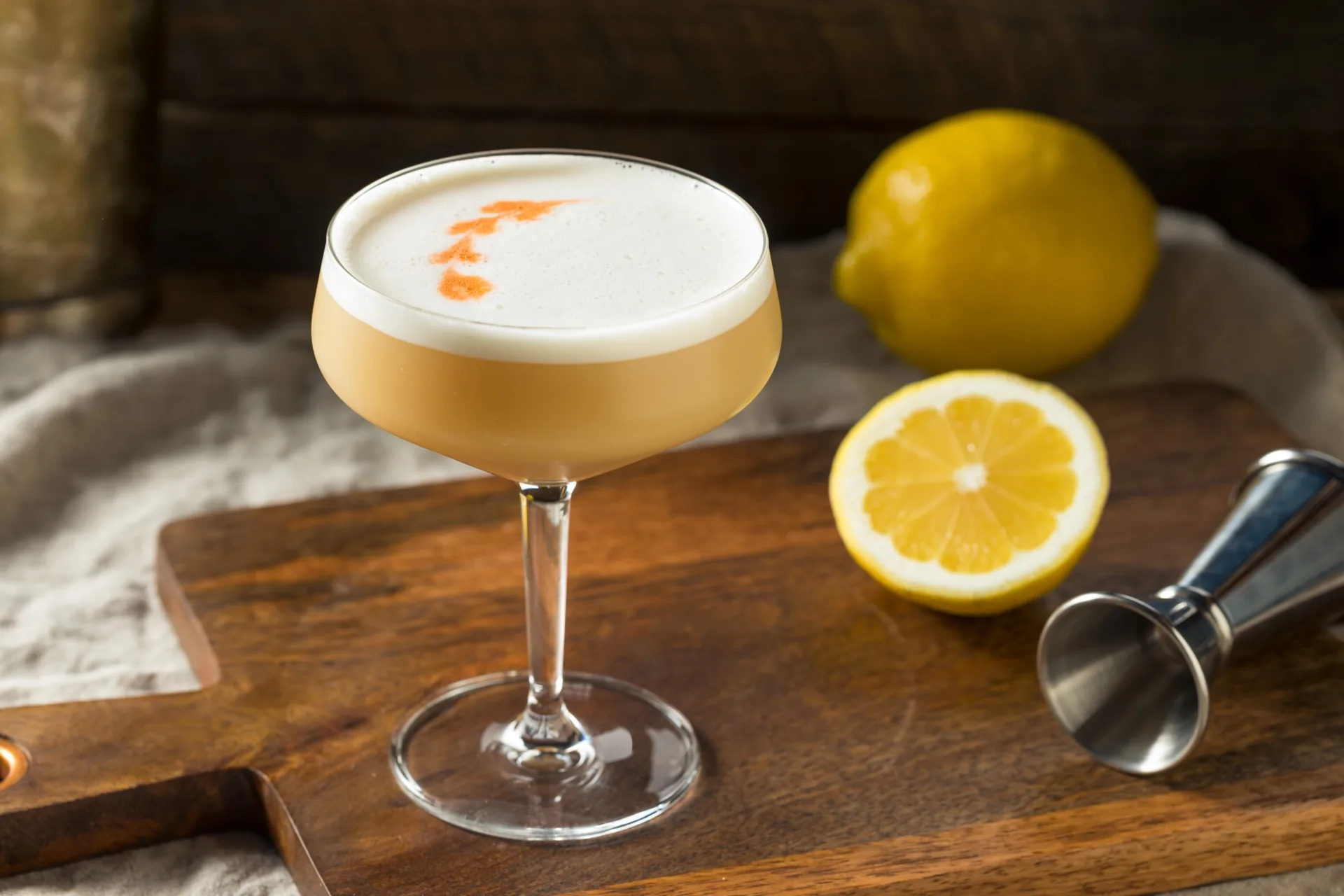
Egg white adds foam and a silkier feel. It does not remove excess sugar or fix a recipe with too much lemon. Choose it because you want that texture, not because a photograph has convinced you every sour needs a mattress on top.
How to make the foamy version
Add ½ ounce (15 ml) of pasteurized liquid egg white suitable for uncooked use to the bourbon, lemon juice, and syrup in the recipe above. Check the label and follow its storage and use directions. Different egg-white products may foam differently.
Close the shaker securely and shake without ice for about 10–15 seconds to incorporate air. This is a dry shake. Then add ice, reseal, and shake again until chilled. Strain and serve promptly. Do not pack the shaker so full that the mixture has no room to move.
Use pasteurized egg white rather than ordinary raw, unpasteurized egg white. FDA guidance recommends pasteurized eggs or egg products for recipes served without thorough cooking. Lemon juice and bourbon are not a reliable substitute for that precaution. If you are avoiding eggs or serving someone with an egg allergy, use the egg-free recipe and clean equipment to prevent cross-contact.
The extra step is worthwhile if you enjoy the texture. If you do not, the drink is allowed to have a visible surface.
Shake for the drink you want to serve
Shaking mixes the citrus and syrup with the whiskey, chills the drink, and adds dilution as the ice melts. It also introduces air. Unlike our Old Fashioned recipe, this is a drink to shake.
Use a securely closing shaker and leave enough room for the ice and liquid to move. A basic shaker and an accurate measure are more useful than an elaborate garnish kit. You do not need a separate tool for every ingredient.
Straining onto fresh ice gives you a cold drink that continues to dilute as you sip. Serving in a chilled coupe without ice keeps more melting ice out of the finished drink, but it will warm as it sits. Choose according to how you like to drink, rather than treating the glass as an exam question.
Ordinary ice is fine for learning. If you regularly serve sours on the rocks and want more control over how they change, our ice guide explains the options. Clear ice will make a handsome drink; it will not negotiate a settlement between too much syrup and too much lemon.
When the first sip misses
Taste before committing to the garnish. A small correction is easier than trying to diagnose a drink after the ice has been melting for twenty minutes.
| What you notice | Try now | Change next time |
|---|---|---|
| Lemon dominates and the drink feels painfully sharp | Add 1 tsp of 1:1 syrup, mix, and taste | Use slightly more syrup or less lemon; keep the other amounts steady |
| Sweetness hides the whiskey and citrus | Try 1 tsp of lemon juice, mix, and taste | Reduce syrup and check its concentration |
| It tastes balanced but the bourbon disappears | Accept the current drink rather than endlessly topping it up | Use a more assertive bourbon or slightly reduce both lemon and syrup |
| It feels hot despite enough sweetness | If under-chilled, shake a little longer with ice | Check bourbon proof and allow adequate shaking dilution |
| It is thin and watery | More sugar will not restore the original proportions | Avoid over-shaking; strain onto fresh ice and serve promptly |
| The optional foam is disappointing | The drink can still be enjoyable without a thick cap | Check the egg-white product, shaker space, and dry-shake step |
Do not turn a disappointing sour into an open-ended bourbon top-up. Make a small note about what you want to change, and use that information next time.
Frequently asked questions
What is the best bourbon for a whiskey sour?
Choose a bourbon you enjoy at a price that makes sense for mixing. Gentler vanilla and fruit notes can suit a rounder sour; more spice and intensity can keep the whiskey noticeable alongside citrus. The best fit depends on your recipe and preferences, not a universal bottle ranking.
Does a whiskey sour need egg white?
No. It is optional. Use it for foam and a silkier texture, or leave it out for a simpler drink. When you do use it, choose pasteurized egg white suitable for uncooked use and follow the product directions.
Can I make a whiskey sour without a mixer?
Yes. Bourbon, fresh lemon juice, and simple syrup make the base recipe. You need ice and a shaker as well. A premade sour mix is a convenience option, not an ingredient you must buy.
Is a whiskey sour supposed to be very sour?
It should have noticeable acidity, but the sweetness and whiskey should keep it enjoyable. If lemon is all you notice, adjust the balance. Starting with a small measured syrup addition is often more useful than deciding you need a different bourbon.
Can I use rye whiskey?
Yes, though it changes the base from the bourbon version developed here. Rye can bring a spicier or more herbal direction, depending on the bottle. Keep the other ingredients consistent for the first comparison, then adjust sweetness if needed.
Should I serve it with ice?
Either works. Fresh ice in a rocks glass keeps the drink cold and gradually changes its dilution. A chilled coupe without ice gives you a different drinking pace and presentation. Neither requires a specialty glass purchase before you begin.
How is it different from an Old Fashioned?
A whiskey sour uses lemon juice and is shaken; an Old Fashioned uses bitters and a smaller sweetener addition, and is usually stirred. Choose the sour for a brighter, citrus-led drink. Choose an Old Fashioned when you want the whiskey more exposed, with sweetness and bitters around it.
Keep the whiskey in the picture
Once you find a balance you like, write down the bourbon, syrup concentration, and quantities. That gives you something worth repeating instead of another recipe you vaguely remember as “pretty good.”
The goal is a refreshing sour that still has a reason to contain bourbon. If that takes an extra teaspoon of syrup, use it. If you prefer it without foam, leave the egg out. Just make each choice on purpose.
The lemon can have a speaking part. It does not need the whole show.