The best way to drink bourbon is the way you enjoy it. To figure out what that is, start with a small pour, notice what you like, and adjust with water, ice or a mixer. Neat is a useful reference point. It is not an entrance exam.
If you already know you prefer a cold drink or a cocktail, start there. You do not need to spend an evening grimacing at a warm glass to earn permission to enjoy the bottle.
This guide helps you choose a serving method, make simple adjustments and avoid buying equipment before you know whether you need it. No bottle rankings. No requirement to detect antique saddle leather.
Choose How You Want to Drink It
Each serving method changes the experience. Choose according to what you want from the drink, then pay attention to the tradeoff.
| Serving method | Useful when | Main advantage | Main tradeoff |
|---|---|---|---|
| Neat | You want a reference for the bottle as bottled | No added ingredients or melting ice | Alcohol intensity may dominate your attention |
| With water | You want to adjust strength without chilling | You control how much water enters the glass | Too much may leave the pour less interesting |
| Over ice | You enjoy a chilled drink that changes as you sip | Cooling and gradual dilution together | The balance keeps moving as the ice melts |
| In a cocktail | You want bourbon as part of a mixed drink | Other ingredients can complement its character | Sweetness, citrus or mixers can obscure it |
You are choosing a drink, not a permanent identity. The same person can enjoy a neat pour one evening and a bourbon highball the next without notifying a governing body.
Start With a Small Pour and a Clean Glass
For a first taste, about half an ounce—roughly 15 mL—is enough to work with. That is a suggested tasting amount, not a rule for what a bar should serve. Keep the initial pour small so you can adjust it without committing to a full glass.
Use a clean glass without a lingering detergent smell. A small tasting glass is useful for exploring aroma; a comfortable rocks glass suits ice. If all you have is an ordinary tumbler, you can begin there. Our bourbon glassware guide explains when a different shape is worth considering.
Bring the glass toward your nose gently. If the alcohol feels sharp, move it farther away. A deep inhale with your nose buried in the rim is not a more advanced technique.
Take a small sip and give yourself a moment before deciding what you think. Use familiar descriptions: vanilla, fruit, pepper, wood, dryness or simply alcohol heat. You do not need a professional vocabulary to notice that something appeals to you.
Try Bourbon Neat for a Useful Reference
Neat means bourbon served on its own, without added water, ice or mixer. It lets you experience the bottle at its bottled strength, rather than at a strength that changes as ice melts.
That makes neat useful when you want to learn about a bottle. Ask what stands out, whether the finish seems dry or sweet-associated, and whether alcohol heat gets in the way of everything else.
The advantage is a straightforward reference. The tradeoff is that an intense pour may be difficult to assess if all you can focus on is the burn. A more concentrated experience is not automatically a more enjoyable one.
You can skip the neat stage if you already know it does not suit you. When you do try it, a small taste is enough. There is no prize for leaving a drink unadjusted.
Add Water Gradually and Compare
Water lowers the alcohol concentration in the glass and can change the balance of aromas you notice. It does not reliably reveal a secret, better version of every bourbon. Sometimes you will prefer the change; sometimes the original pour will be more interesting.
Start with a few drops or a very small splash of drinking water that tastes neutral to you. Gently swirl, smell and taste again. Add more only if you want another adjustment. A small initial addition keeps the decision easy to follow; it is not a universal optimum.
There is research behind the idea that dilution changes aroma. A 2023 study of whisky dilution found that different aroma compounds responded differently to added water. Its sensory work included three bourbons and three Scotches. That supports treating water as an adjustment, rather than promising that a precise number of drops will improve every bottle.
The practical question is simple: can you notice more of what you enjoy, or does the pour now feel thin and less distinct? Stop where it works for you. If you overshoot, use less water next time rather than repeatedly topping up the bourbon.
Adding water changes concentration; it does not remove the alcohol you originally poured. A gentler-tasting drink still deserves a measured pace.
Use Ice When You Want a Chilled Drink
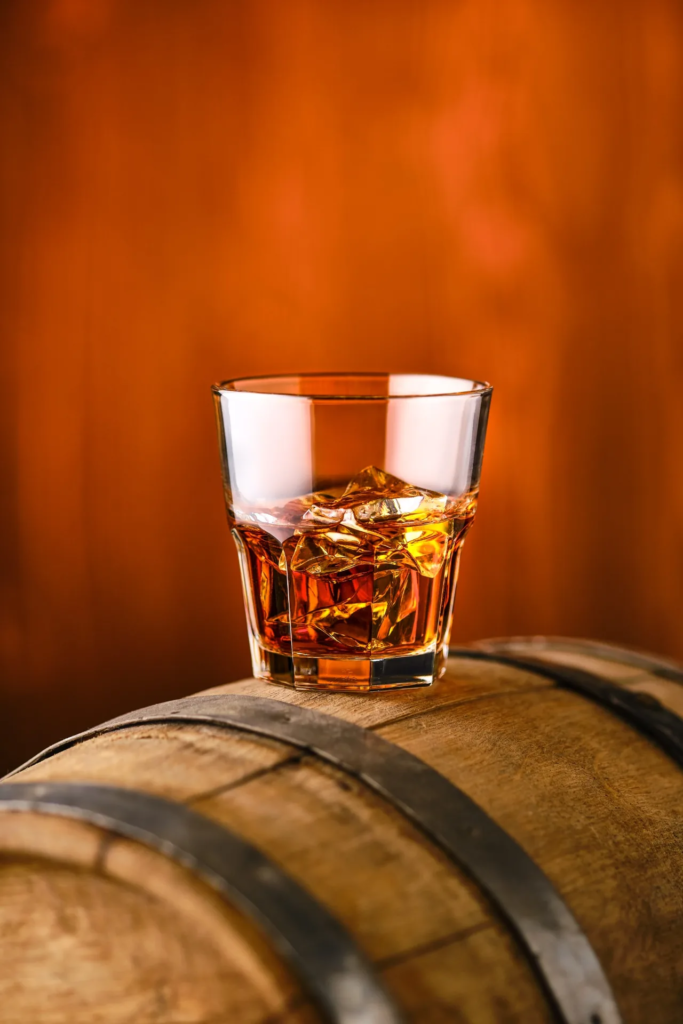
Bourbon on the rocks means bourbon served over ice. Ice cools the drink and adds water as it melts, so the pour will change while you drink it. That movement can be part of the appeal.
Use fresh ice without an obvious freezer smell. One substantial cube is a convenient starting point if it fits your glass, but ordinary cubes are perfectly usable. You do not need to postpone the drink until your freezer produces something suitable for a jewelry advertisement.
Notice the first sip, then compare it with a later one. You might prefer the drink after a little melting, or find that it becomes less interesting as more water enters the glass. That tells you something useful about your preferred balance.
The tradeoff is control. With water added directly, you choose each addition. With ice, temperature and dilution keep changing. Cube size, starting temperature, glass and how you handle the drink all matter; clear ice alone does not guarantee a particular melt rate.
Our bourbon ice guide covers when a larger mold or clear-ice system is worth the effort. For learning how you like bourbon, the ice you already have is enough.
Make a Cocktail Without Apologizing
A cocktail is a complete way to enjoy bourbon. You do not need to regard it as a remedial class you must eventually graduate from.
Choose the kind of drink you actually want. An Old Fashioned adds sweetness, bitters and dilution while keeping whiskey central. A whiskey sour puts it alongside citrus and sweetness. A bourbon-and-soda highball offers a longer, fizzy drink. Those are different experiences, not a ranking of seriousness.
For your first attempt, follow one reliable recipe and measure the ingredients. Keep it consistent before making changes. If every pour contains a different amount of bourbon, syrup and water, it becomes difficult to know what improved the drink.
The main tradeoff is that other ingredients can obscure the bourbon. If the whiskey disappears, first consider the recipe and dilution. Do not automatically buy a stronger or more expensive bottle to compensate for a drink that is out of balance.
Use an accessible bourbon whose character you enjoy and whose price makes sense for mixing. There is little reason to pay a scarcity premium for a name you cannot distinguish in the finished drink.
Adjust What Bothers You
It feels too hot
Take a smaller sip, move the glass farther from your nose, or try a little water or ice. Check the bottle’s proof before assuming you dislike bourbon as a whole. Higher proof means a higher alcohol concentration, though perceived heat also varies by bottle and person.
You do not have to keep drinking something uncomfortable. A lower-proof option or a different serving method may suit you better.
It tastes too woody or dry
Water and ice may change the balance, but neither guarantees that a flavor you dislike will disappear. If oak and dryness remain the problem, choose a different flavor direction next time. More age is not the automatic answer.
It becomes too muted or watery
On the next pour, add less water or notice whether you prefer the drink earlier in the ice-melting process. In a cocktail, check the proportions before changing the bottle. Adjust one thing at a time so you can understand the result.
It tastes fine, but you still do not enjoy it
That is a valid conclusion. You may enjoy bourbon in a cocktail, prefer another whiskey style, or decide it is not your drink. Learning your preferences does not require persuading yourself to like everything.
If you are still choosing a bottle, our first-bourbon guide organizes the decision around flavor and intended use. It gives you a way to explore without turning the shelf into a collection checklist.
Skip the Performance and the Unnecessary Gear
A clean glass, some water and usable ice cover the basics. Buy additional equipment when you can name the problem it would solve.
A tasting glass can be useful if you want to spend more time exploring aroma. A larger ice mold can suit a regular rocks drinker. A measuring tool helps make cocktails repeatable. None of those purchases makes your preference more legitimate.
Skip whiskey stones as a first solution to a drink you dislike. If you want to explore dilution, stones do not provide it. If you want to keep bourbon undiluted, try a small neat pour before buying accessories around that goal.
Also skip the idea that expensive bourbon must always be served neat. Price does not tell you which temperature or strength you will enjoy. The sensible question is whether the premium adds something you value in the way you actually drink it.
And if the tasting note is “I like this,” you may put down the notebook. The bourbon has not requested a dissertation.
Frequently Asked Questions
What is the best way to drink bourbon for a beginner?
Choose a serving method that sounds appealing. A small neat taste gives you a reference if you want one; water, ice or a cocktail can make the experience more enjoyable. Compare simple adjustments rather than treating neat drinking as a requirement.
Should bourbon be sipped or taken as a shot?
If your goal is to explore the flavor, take small sips. A quick shot gives you less opportunity to notice the aroma, texture and finish. You do not need a large pour to learn something useful.
Does adding water ruin bourbon?
No. It changes the alcohol concentration and aroma balance. You may prefer the result, or prefer less dilution. Add gradually and judge the drink rather than following a fixed rule.
Is bourbon better neat or on the rocks?
Neat keeps the pour at its bottled strength without added ingredients. Ice chills and gradually dilutes it. Neither method is universally better; they serve different preferences.
How much water should I add?
Begin with a few drops or a very small splash, then compare. There is no single amount that works for every proof, bottle, pour size and palate. Stop when you prefer the balance.
Do I need a special bourbon glass?
No. Begin with a clean glass you find comfortable. A tasting glass or rocks glass may be a useful later choice for a particular serving method, but premium glassware is optional.
Is it wasteful to use good bourbon in a cocktail?
Judge the finished drink and the cost. If the bottle adds a character you enjoy and the price works for you, mixing is a reasonable use. Paying a large premium for a difference you cannot notice is harder to justify.
Keep the Method You Enjoy
You do not need to try every serving method in one sitting. Pick one small adjustment, notice whether it helps, and carry that preference into your next pour.
The useful result is knowing that you like a little water, prefer ice, enjoy a bourbon sour, or want a different style altogether. That knowledge will do more for your next drink than learning how to look appropriately serious while holding it.