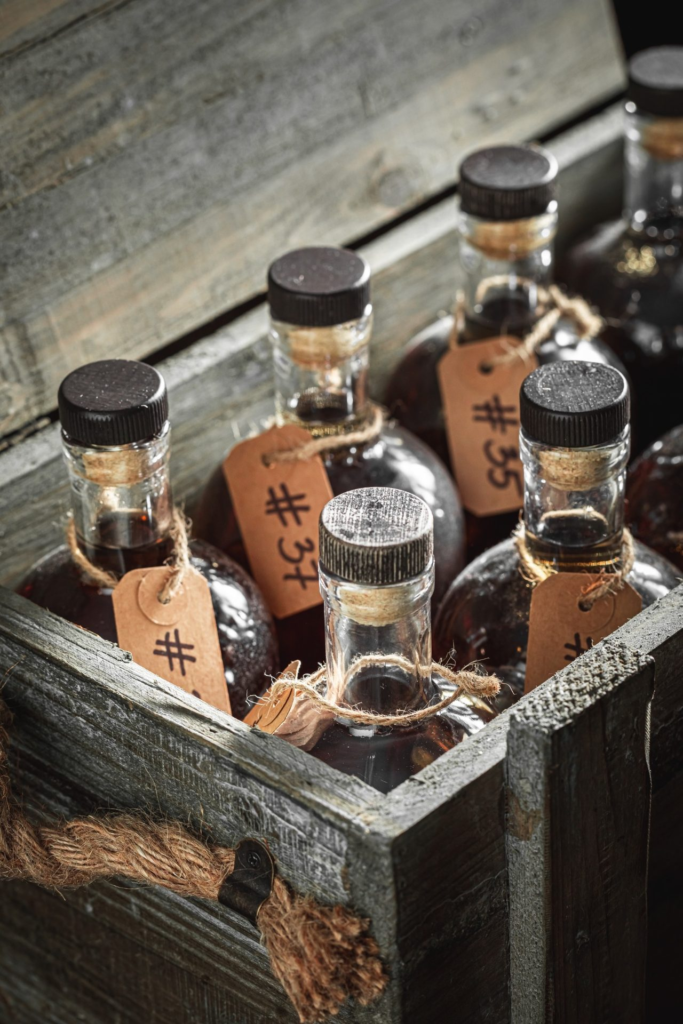
Two bourbons sit beside each other on the shelf. One says small batch. The other says single barrel and costs a little more. Is that extra money buying a better drink, or just a more interesting label?
Our recommendation is to start with what you want from the bottle. For a familiar pour you plan to replace, favor a bourbon with a track record you enjoy. For exploring differences between individual barrels, a single barrel can be a rewarding purchase. Neither phrase, by itself, tells you which bourbon you will prefer.
Single barrel bourbon comes from one individual aging barrel. Small batch bourbon generally combines selected barrels, with the size of that batch determined by the producer. The useful distinction is how the whiskey is assembled and how much variation you should expect when you buy another bottle.
Before paying extra, compare the actual expression, proof, flavor information, and shelf price. Those details will tell you more about your next pour than the most prominent words on the front label.
What the two labels tell you
Single barrel preserves an individual barrel
With a single barrel release, the whiskey comes from one barrel rather than a combination of barrels. That barrel can supply many bottles.
Different barrels can develop differently during maturation. New Riff’s explanation of single barrel bourbon describes how warehouse location can affect the resulting flavor and why separate barrels need not taste identical.
The appeal is the chance to experience that particular barrel. The tradeoff is repeatability. Another bottle bearing the same brand and expression may come from a different barrel and taste somewhat different. That can be part of the enjoyment, but it matters if you are trying to replace a favorite exactly.
Small batch brings selected barrels together
Small batch generally describes a bourbon assembled from a selection of barrels. It does not give you a universal barrel count. New Riff notes that producers use the phrase differently, so you should look for the producer’s own explanation before drawing conclusions about scale.
Combining barrels allows a producer to build a profile from their different characteristics. A regular release may aim for a recognizable house style. A numbered or limited batch may deliberately offer something different from previous releases.
That distinction matters more than treating every small batch bottle as a promise of identical flavor. Look at whether you are buying an ongoing expression or a particular release.
| Question | Single barrel | Small batch |
|---|---|---|
| Where does the whiskey come from | One individual barrel | A selection of barrels combined by the producer |
| What can change on the next purchase | The barrel and its particular character | The batch, especially for distinct or limited releases |
| Does it specify bottling proof | No | No |
| Does it establish which tastes better | No | No |
| What should you check next | Exact expression, barrel details, proof, and price | Exact expression, release details, proof, and price |
Choose according to the next bottle you want
For a regular pour you plan to replace
We would start with an ongoing expression you already enjoy and can buy at a comfortable price. A well-established batched bourbon can be a practical choice when familiarity is the goal.
The reason is simple: the producer can combine barrels to work toward a desired profile. That does not make every batch identical, and a single barrel expression can still have a recognizable style. It does make consistency a sensible question to ask before you choose.
If you are still discovering your preferences, our beginner bourbon guide will help you choose a starting bottle without building a collection first.
For exploring something different
A single barrel makes sense when variation is part of what you want to explore. Perhaps you like the producer already and want to see another side of its whiskey. Perhaps you tasted a particular barrel and want a bottle of that selection.
The strongest reason to buy is something specific about that whiskey. A sample you enjoyed is better evidence than an impressive sticker. A clear description from a retailer whose selections you have liked is more useful than a vague promise that this barrel is exceptional.
Keep a photograph of the label and barrel information if you find a favorite. It gives you something concrete to ask about later, even if the exact barrel is sold out.
For cocktails
Choose the bourbon that makes the drink you like at a price you are comfortable mixing. Small batch and single barrel can both work.
Proof and flavor are more useful starting points than barrel count. A recipe that tastes balanced with one bourbon may need a small adjustment with another. Our Old Fashioned guide walks through that process.
We would not pay a premium for a particular single barrel solely to use it in a familiar cocktail unless we had a reason to expect we would enjoy the difference. If you already love the result, though, there is no obligation to reserve the bottle for neat pours.
For a gift
Give some thought to whether the recipient prefers familiarity or discovery. Someone who keeps replacing the same bourbon may appreciate another bottle of that expression. Someone who enjoys comparing barrel selections may welcome a single barrel with a clear connection to a favorite distillery or retailer.
Check proof as well as the name. An unfamiliar high-proof release can be a poor fit for someone who prefers a gentler pour, however attractive the packaging.
If you want the gift to feel considered, explain why you chose it. Our bourbon gift set guide offers ways to build around a bottle without adding a pile of decorative accessories.
Read proof separately from barrel count
Single barrel and barrel proof answer different questions. Single barrel describes the source barrel. Barrel proof describes the bottling strength in relation to the whiskey coming out of the barrel. Do not treat the two phrases as interchangeable.
Four Roses provides a useful example. Its Single Barrel OBSV is bottled at 100 proof. Its Small Batch Select is bottled at 104 proof. The small batch expression is the higher-proof bottle in that comparison.
New Riff, meanwhile, states that its single barrel selections are bottled at barrel proof. That is a feature of those releases, rather than something you can assume about every bottle labeled single barrel.
For a purchase, read the actual proof on the bottle. In the United States, 100 proof means 50% alcohol by volume; 104 proof means 52%. A higher number does not establish quality, and your preference for drinking neat, adding water, or mixing cocktails still belongs in the decision.
A Four Roses comparison shows why the full name counts
Four Roses is a useful illustration because it offers several expressions that differ in recipe selection as well as proof. The following details come from the distillery’s product pages, checked in November 2026.
| Expression | Producer specifications | What to compare before buying |
|---|---|---|
| Four Roses Small Batch | Four recipes combined; 90 proof | Whether this expression and strength suit your usual pour |
| Four Roses Single Barrel OBSV | One barrel of the OBSV recipe; 100 proof | The specific expression and the appeal of an individual barrel |
| Four Roses Small Batch Select | Six recipes combined; 104 proof | The different recipe combination and higher bottling strength |
This is not a tasting ranking. It shows why choosing between these bottles involves more than counting barrels. If you prefer one, the recipe selection and strength may be contributing to that preference too.
Also, Small Batch and Small Batch Select are different products. A review of one should not decide your purchase of the other. Four Roses offers additional single barrel recipes, so check the full name and recipe information rather than assuming every Single Barrel bottle is OBSV.
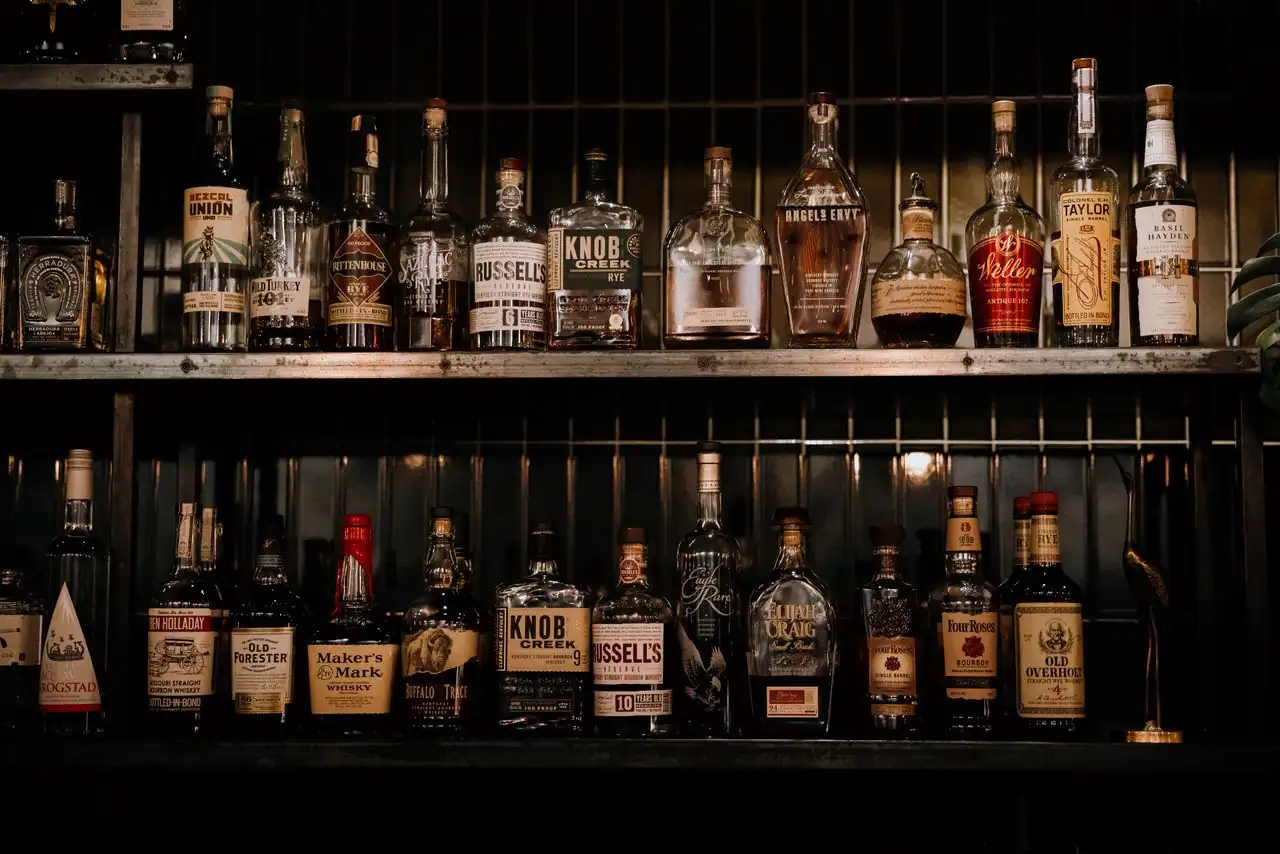
Decide whether the premium has a purpose
There is no dependable rule that single barrel must cost more than small batch, or that paying more gets you a bourbon you will enjoy more. Compare the actual shelf prices for the same bottle size.
Imagine the single barrel costs $15 more. That is a hypothetical price difference, not a current market quote. What would make it worthwhile to you?
We would look for a reason such as a sample you enjoyed, a producer whose whiskey you consistently like, or a well-explained selection from someone whose taste you trust. The chance to explore a different barrel can also be worth paying for when exploration is the point.
We would be less persuaded by a large markup supported only by the words single barrel. Exclusivity tells you something about availability. It does not tell you whether the flavor suits you.
For a regular cocktail bottle, consider whether you would happily pay that difference every time you replace it. For an occasional tasting bottle, a little extra may buy an experience you value. Set the budget for the way you will use the bourbon.
Ask one more question about a store pick
A store pick or private selection can give you more information about who chose the whiskey. In a single barrel program, a retailer or group may select a particular barrel from available samples. New Riff’s selection program describes this process directly.
The extra selection step can be useful, especially when you know the selector’s preferences. It still leaves a question: what did they like about this barrel, and is that something you like too?
Ask about the proof, the exact release, and the reason it was chosen. If a sample is available where permitted, that can be more helpful than a string of enthusiastic adjectives. A retailer who describes a notably oak-forward selection has given you a useful reason either to consider it or to choose something else.
Read the bottle rather than letting the pick sticker do all the work. Private-selection programs differ, so confirm what the specific release actually is.
The bottle worth buying again is the one whose flavor and price make sense to you. Once you open it, our guide to drinking bourbon can help you explore neat pours, water, and ice.
Single barrel and small batch questions
Is single barrel bourbon better than small batch
Neither label establishes a quality ranking. Single barrel offers whiskey from an individual barrel; small batch combines selected barrels. Choose according to the actual expression, your preferences, and the price.
Does small batch mean a specific number of barrels
No universal barrel count follows from the phrase. Producers use it differently. Look for a disclosed batch size or the producer’s explanation if production scale is important to your purchase.
Is single barrel always barrel proof
No. Four Roses Single Barrel OBSV is bottled at 100 proof, while New Riff bottles its single barrel selections at barrel proof. Check the proof and product description for the specific bottle.
Will two bottles of the same single barrel bourbon taste identical
Two bottles from different barrels can differ, even under the same brand and expression. Check the barrel information when trying to replace a favorite. Bottles filled from the same barrel are a closer match, though storage and serving conditions can still affect the experience.